
Cover image: A small team in matching branded polos and caps in a bright office, with branded stationery on a desk in the foreground.
If you're planning year-end client gifts, staff uniforms or next year's events, you've probably asked the sensible question: does branding make a difference, or is it money out the door?
Honest answer: it can, but only under certain conditions. A well-chosen, well-branded item can keep your name in front of people for months. A cheap, badly branded one ends up in a drawer or a bin. The difference is in the decisions you make before you order.
Does branding make a difference? The short answer
Yes, when three things line up: the product is something the recipient wants, the audience is the right one, and the branding quality reflects well on you. Miss one and the spend is mostly wasted.
Branded merchandise is also not a substitute for a good product or good service. It amplifies what's already there.
What branding does in practice
No need for inflated claims. In practice, branded items do four modest but real things:
- Visibility. Your name and logo appear in places your marketing doesn't reach: an office desk, a gym bag, a client's meeting room.
- Recall. People remember a business they see repeatedly. A useful item gets seen repeatedly; a novelty usually doesn't.
- Perceived professionalism. A team in neat, matching uniforms looks organised. A thoughtful gift suggests you pay attention to detail.
- Goodwill. Staff who are given good-quality workwear feel looked after. Clients who receive something useful feel valued.
These effects build slowly. That's why you should judge branded merchandise as part of your wider brand visibility, not as a one-off sales tool.

Where branding makes the biggest difference
Each use has a different job. Here they are side by side.
Giveaways for awareness
- Purpose: get your name in front of many people.
- Best fit: practical, low-cost items people use daily, such as shoppers, pens and drinkware.
- What to expect: reach, not deep relationships. Browse Promotional Giveaways for ideas.
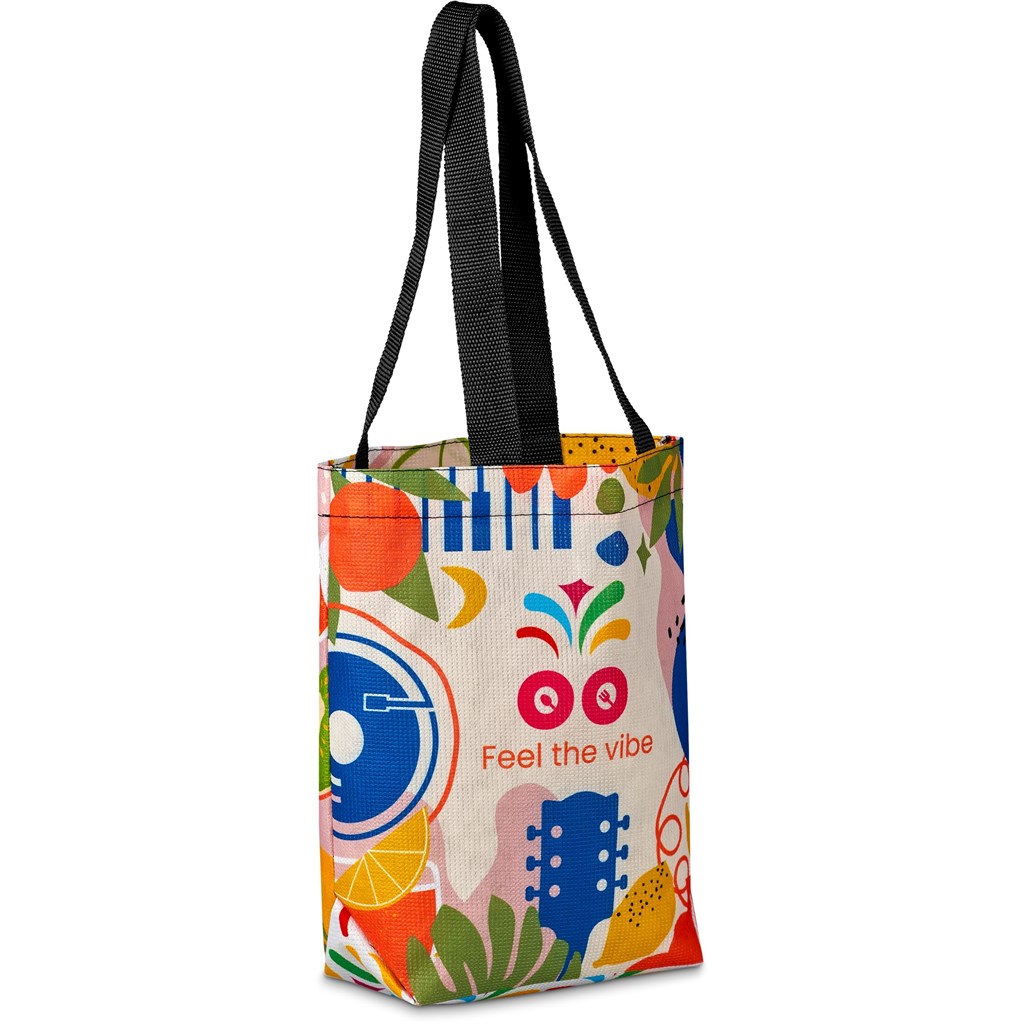
- Example: the Hoppla Bayside Recycled PET Stitch-Bond Shopper is made from recycled plastic bottles and offers full-colour branding. It's a bag people reuse, so your logo travels with them.
Client gifts for relationships
- Purpose: say thank you, strengthen a connection, stand out at year-end.
- Best fit: fewer, better items: notebooks, quality drinkware, tech and desk accessories.
- What to expect: goodwill from a small, carefully chosen group.
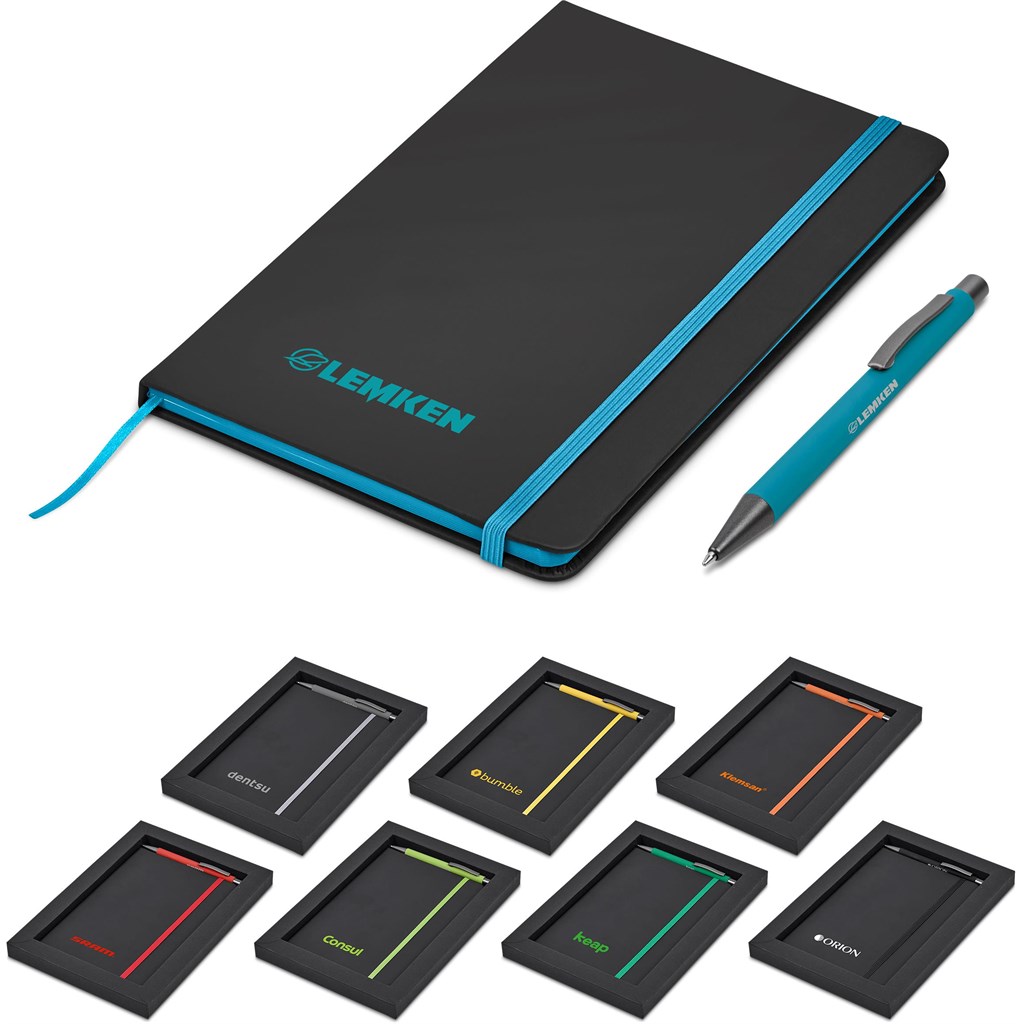
- Example: the Altitude Miller Notebook & Pen Set arrives in a box with a clear acetate lid, so it's presentable the moment it's handed over.
Uniforms and workwear for team identity
- Purpose: make your team recognisable and credible, and help staff feel part of one business.
- Best fit: golf shirts, jackets, caps and workwear. Staff uniforms branding works best when the garments are comfortable enough to be worn willingly.
- What to expect: daily visibility with customers, plus a sense of team pride.
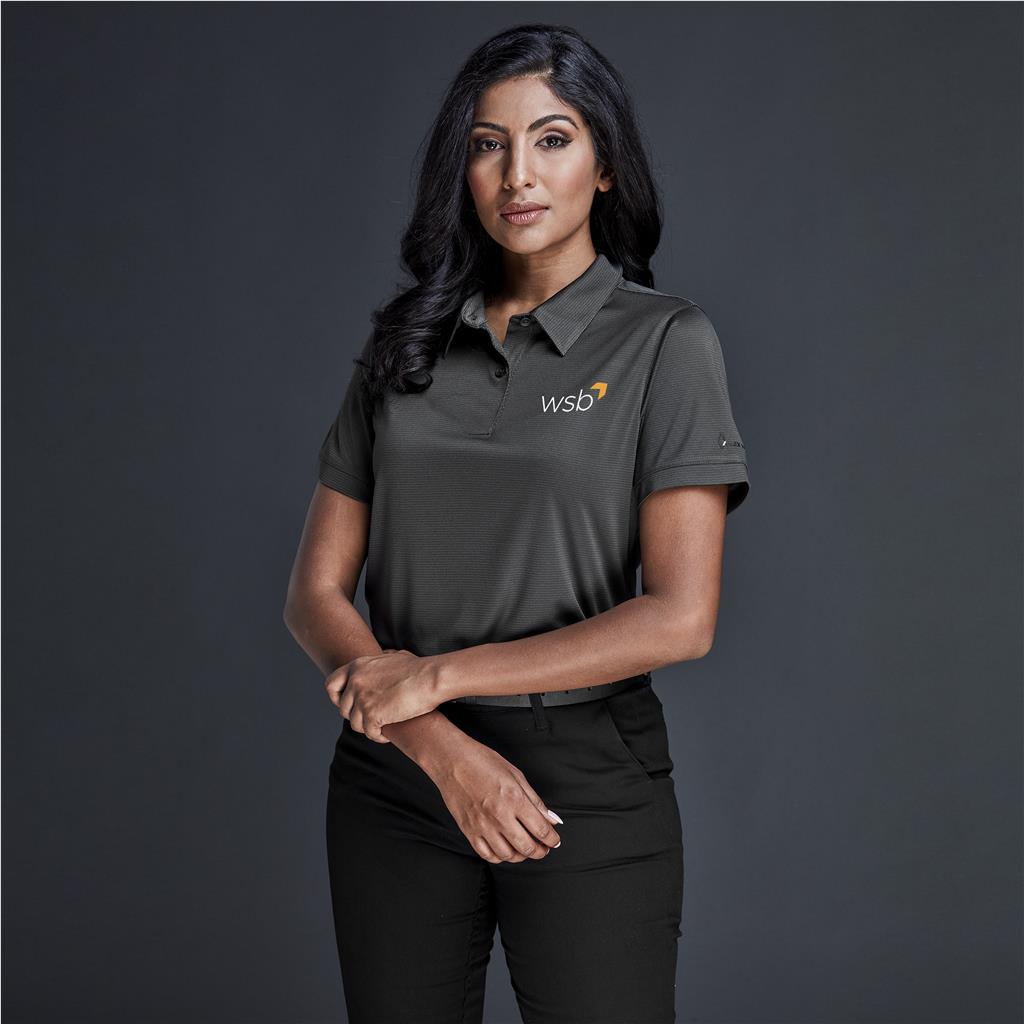
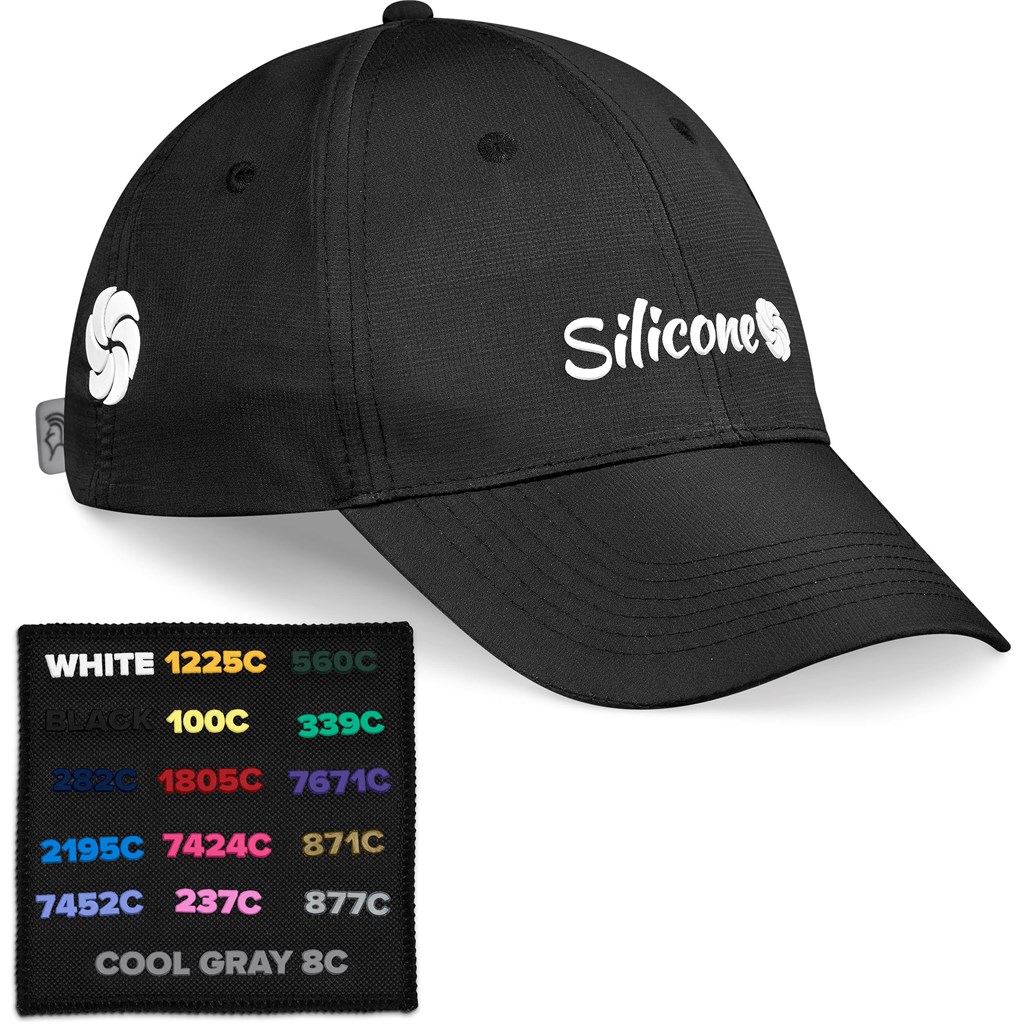
- Examples: the Ladies Alex Varga Callidora Golf Shirt is a moisture-wicking polyester knit with an anti-bacterial finish. The Pre-Branded Performance Cap shows what a raised silicone finish looks like on headwear.
Event items for presence
- Purpose: be noticed and remembered at exhibitions, conferences and activations.
- Best fit: lanyards, bags, pens, display items and something people will actually carry home.
- What to expect: a short window of attention, so pair items with a follow-up plan.

Why some branded items fail
Most failures are predictable:
- Cheap items that get binned. If it breaks, fades or feels flimsy, it says that about you.
- Cluttered or badly placed logos. Too many elements, a logo stretched across a seam or one too small to read all weaken the result. Keep it clean and keep it simple.
- The wrong audience. A gift that suits a CFO may not suit a warehouse team, and vice versa.
- No clear goal. If you can't say what the item is meant to achieve, you can't tell whether it did.
- Low-quality artwork. Blurry logos can't be accepted for production. Check the artwork guidelines early.
Choosing the right branding method
The method should suit both the material and the result you want. At a high level:
- Embroidery for workwear, golf shirts and caps: durable and professional.
- Screen printing for larger runs on apparel and bags, where cost-effectiveness matters.
- Laser engraving for metal and drinkware: permanent, with no ink to wear off.
- Sublimation for mugs: vivid, permanent full-colour designs.
- Digital printing where your design has gradients, photos or many colours.
- Debossing or foiling on notebooks and leather-look items for a premium feel.
See the branding techniques overview for the full list. If you're unsure, the right answer usually depends on your logo, the product and the quantity, so ask before you order.

How to tell if it worked
You won't get perfect numbers, but you can get useful signals. Set them up before the items go out:
- A unique offer code. Put it on a card or insert with a client gift or giveaway, then count redemptions.
- Event follow-ups. Note how many contacts you collected and how many replied after you followed up.
- Repeat orders. Check whether gifted clients ordered again or responded more warmly.
- Staff feedback. Ask your team whether the uniforms are comfortable, hold up to washing and make them feel part of the business.
- Inbound enquiries. Ask new customers how they heard about you.
None of this proves a precise return, and it shouldn't be oversold. But a few simple measures will tell you whether to repeat, adjust or stop. That's what a sensible view of branded merchandise ROI looks like.
Checklist: before you order
- Goal. What should this achieve: awareness, thanks, team identity or event presence?
- Audience. Who gets it, and what would they actually use?
- Product. Is it useful, durable and in keeping with your brand?
- Branding method. Does it suit the material and your logo?
- Quantity. Enough to meet your goal without leftover stock. Quote it properly.
- Timing. Work back from your event or gifting date with the order-by deadline planner.
- Mockup check. Does the logo look clear and well placed?
Test it before you commit
You can check your idea without spending anything. The free logo mockup generator shows your logo on products so you can judge placement and size. Then use the branding calculator to see live pricing with your chosen branding position and method.
Every order also gets a digital proof for your approval, and production only starts after proof approval and cleared payment.
FAQ
Is branded merchandise worth it for a small business?
It can be, if you keep it focused. A small business is better off with a modest number of useful items given to the right people than a large pile of giveaways handed out at random. Uniforms for your team and a good client gift are often the best starting points.
What should I brand first?
Start with what people see most: staff uniforms or a core client gift. Both are visible, and both reflect directly on your professionalism.
How do I avoid items being thrown away?
Choose things people already use, such as notebooks, drinkware and bags. Keep the logo tidy and make sure the quality is decent.
Does quality matter more than quantity?
Usually, yes. A smaller run of well-made, well-branded items tends to do more for your reputation than a large run of forgettable ones.
What's the simplest next step?
Pick one goal and one audience, then try your logo in the mockup generator and price it in the calculator. If you need something custom, large or packaged, request a quote or custom order and we'll quote in writing.
Products in this article
Shop promotional giveaways
Price any product with branding in the calculator, see your logo on it, or send us your brief for a quote.


