
Cover image: Embroidered golf shirt, screen-printed t-shirt and digitally transferred cap laid side by side on a neutral surface
If you are ordering staff shirts, event tees or branded caps, the embroidery vs screen printing question usually arrives with a third option attached: digital transfer. All three put your logo on a garment. They do it in very different ways, and each one suits some logos, fabrics and budgets better than others.
This guide explains each method in plain language, shows how your logo and quantity shift the answer, and tells you what artwork to supply so the result looks the way you expect.
Quick answer: how to choose in 30 seconds
Ask yourself four questions:
- How many colours does the logo have, and does it have gradients or fine detail? Simple and solid points to embroidery or screen printing. Detailed or photographic points to digital transfer.
- How many garments do you need? Larger runs of simple logos tend to suit screen printing. Smaller runs of colourful logos often suit digital transfer.
- What is the garment? Golf shirts, caps, jackets and workwear lean towards embroidery. T-shirts lean towards printing.
- What impression do you want? Executive and corporate usually means stitched. Casual, event and promotional is comfortable with print.
If your answers split between methods, that is normal. The sections below help you break the tie.
Embroidery vs screen printing vs digital transfer: how each works
Embroidery stitches your logo into the garment with thread, using computer-controlled machines. Your artwork is first converted into a stitch file, which tells the machine where to place each stitch. The result is raised and textured, and you can feel it.
Screen printing pushes ink through a mesh stencil directly onto the fabric. Each colour in your design needs its own screen, so a three-colour logo means three screens, printed one after the other. The ink sits in or on the fibres, giving bold, solid colour.
Digital transfer on apparel and caps prints your design digitally onto a film or vinyl (these are commonly called DTF and Video Flex), which is then heat-applied to the garment. Because the design is printed rather than built colour by colour, vibrant multi-colour logos and highly detailed graphics are well within reach.
You can read the technical summaries on our branding techniques overview.

Embroidery: when it is the right choice
Embroidery is a premium, highly durable method, and it is our go-to suggestion for corporate workwear, headwear and outerwear.
Where it shines
- Golf shirts and corporate shirts. A small stitched chest logo reads as professional at a glance. It is the classic look for branded golf shirts worn by sales teams, front-of-house staff and executives.
- Caps. Stitched logos suit the structured front panel of a cap well, which is why branded caps embroidery is such a common request.
- Jackets and softshells. Embroidery holds its shape on thicker, heavier fabric where a print might look flat.
- Workwear. Raised thread handles repeated wear and washing, so it suits everyday uniforms.
What to watch
- Fine detail. Thread has a physical thickness. Very small text, hairline strokes and subtle gradients do not translate well into stitches. Your logo may need simplifying for embroidery.
- Fabric. Very light or very stretchy fabrics can pucker under dense stitching. If you are unsure, ask us before you commit.
- Size. Embroidery is at its best at chest-logo size or smaller. Huge, solid-fill designs can feel stiff and heavy on a garment.
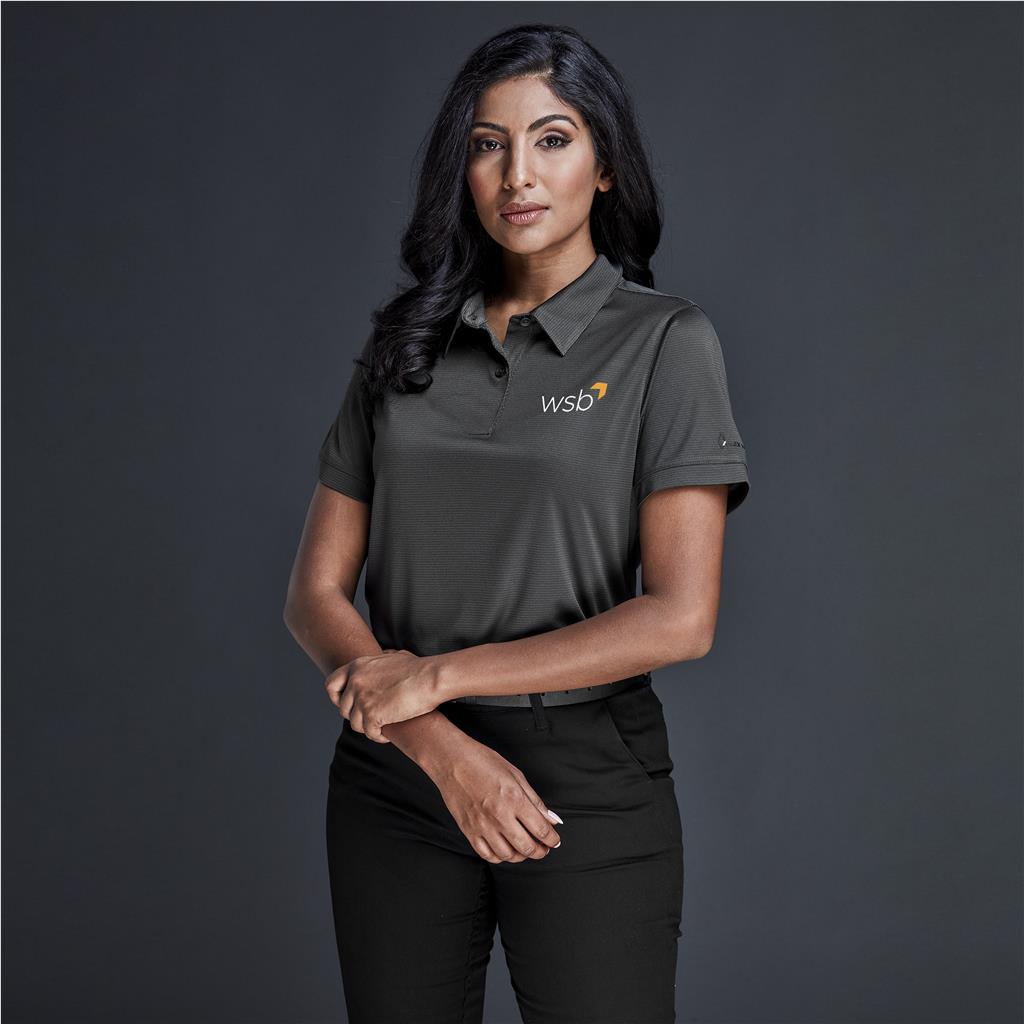
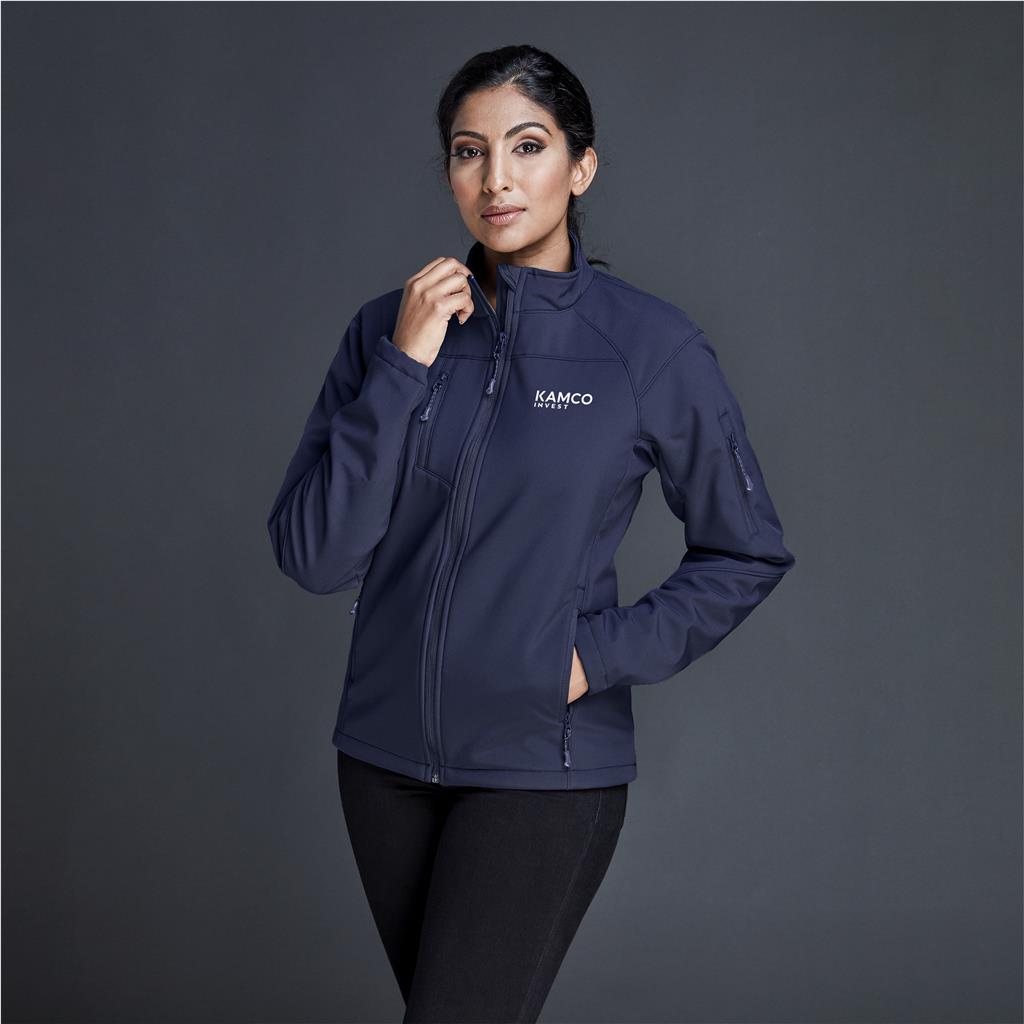
On the products side, the Ladies Alex Varga Callidora Golf Shirt is a good example of a garment that suits a stitched left-chest logo. It is a moisture-wicking polyester jacquard knit with a slim self-fabric collar and a two-button placket, and embroidery is one of its listed branding methods. For outerwear, the Ladies Alex Varga Elysium Softshell Jacket also lists embroidery, alongside other options.
Screen printing: when it is the right choice
Screen printing is a cost-effective, durable method, and it is the workhorse for t-shirts, bags and umbrellas. If you are searching for screen printing t-shirts in South Africa for an event, a staff day or a promotion, this is the method most buyers start with.
Where it shines
- T-shirts and large runs. Once the screens are made, printing garment after garment is efficient. That is why screen printing usually suits bigger quantities of the same design.
- Simple, bold logos. One to a few solid colours print crisply and look strong.
- Event and promotional wear. Big chest and back prints, team names and slogans suit this method well.
- Colour fidelity. If your brand has a specific colour, screen printing lets you match it closely with a Pantone reference.
What to watch
- Colour count drives setup. Each colour needs its own screen, so a many-coloured logo means more setup work. That is where digital transfer often becomes the more sensible option.
- Gradients and photographs. These are not what screen printing is built for.
- Feel. Ink sits on or in the fabric. A large solid print can feel more noticeable than a stitched logo, which some people like and some do not.
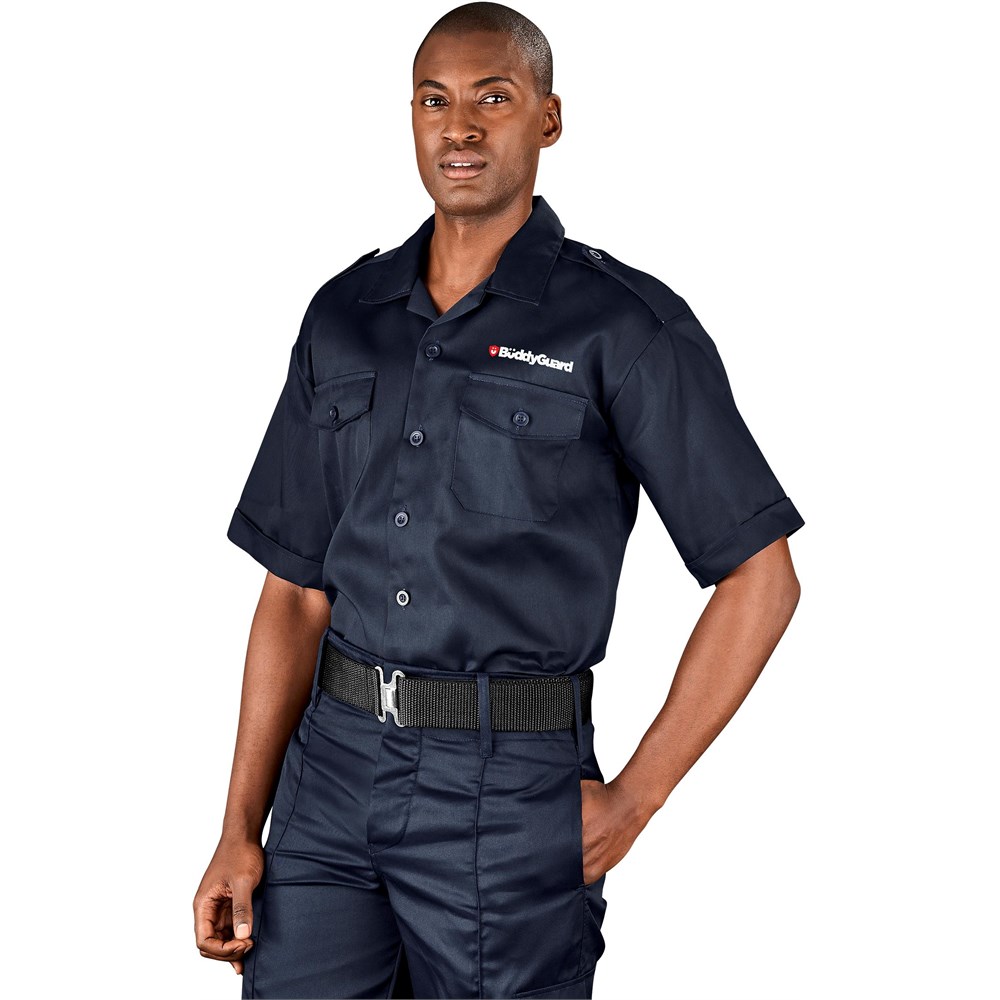
The Force Combat Shirt is a polycotton twill shirt with epaulettes and button-down pocket flaps. Embroidery and screen printing are both listed for it, so the choice comes down to your logo and the look you want. Embroidery gives a smart, uniform finish, while a print suits a simple one-colour mark.

Digital transfer: when it is the right choice
Digital transfer is the answer when the logo is the complicated part. Multi-colour logos, gradients, shadows, fine lines and photographic detail are what it handles best. It is well suited to workwear, sportswear, hospitality gear and headwear.
Where it shines
- Colourful or detailed logos. The design is printed digitally, so adding another colour does not mean adding another screen.
- Smaller runs. Because there is no screen per colour, a short run of a colourful design is often more practical this way.
- Caps. If your logo is too detailed to stitch cleanly on a cap, digital transfer is the usual alternative.
- Varied designs. Different names, departments or versions across a group are easier to handle when each garment does not need its own screens.
What to watch
- Finish. A transfer sits on top of the garment. It looks printed, not stitched, so it will not give you the raised, premium feel of embroidery.
- Fabric. Heat is used to apply the transfer, so very heat-sensitive or highly textured fabrics need a conversation first.
- Product availability. Not every garment offers every method. The Force Combat Shirt, for instance, lists embroidery and screen printing but not digital transfer. Always check the methods on the product page.
The Callidora golf shirt and the Elysium softshell jacket both list digital transfer among their branding options. That means you can compare a stitched logo with a transferred one on the same garment before you decide.
Side-by-side comparison
Here is how the three methods compare in general terms. We have kept it descriptive on purpose, because exact results depend on your logo and garment.
Look and feel
- Embroidery: raised, textured, thread-based. Reads as premium.
- Screen printing: flat, bold, solid colour. Reads as clean and graphic.
- Digital transfer: smooth, printed finish with full colour. Reads as vibrant and detailed.
Logo detail
- Embroidery: best with simple shapes and larger text. Struggles with fine lines, tiny text and gradients.
- Screen printing: best with solid colours. Limited by how many colours you want to set up. Not suited to gradients or photos.
- Digital transfer: handles multi-colour, gradients and fine detail.
Quantity
- Embroidery: setup is the stitch file (digitising your logo), and then each garment is stitched. Works for small and large orders.
- Screen printing: setup is one screen per colour, so it tends to make the most sense for larger runs of simple designs.
- Digital transfer: no screens per colour, so it is often a practical fit for smaller runs and colourful designs.
Best-fit garments
- Embroidery: golf shirts, caps, jackets, softshells, workwear.
- Screen printing: t-shirts, event and promotional tees, bags.
- Digital transfer: workwear, sportswear, hospitality gear, caps.
Durability
- Embroidery: very hard-wearing, which is why it is the favourite for daily uniforms.
- Screen printing: durable when applied well, and suited to regular washing.
- Digital transfer: good everyday durability. Following the care instructions on the garment helps all three methods last.
We are not quoting test results here, because durability also depends on the fabric, how often the garment is washed, and how it is cared for.

Match the method to your use case
Staff uniforms. Daily wear needs to look sharp and last. Embroidery on shirts, jackets and caps is the usual choice for embroidery or print for uniforms. A digital transfer is a good option when the logo is multi-coloured or detailed.
Executive and client-facing teams. Stitched logos on golf shirts and softshell jackets give the most polished result. Keep the logo small and clean.
Events and promotions. Screen printing suits t-shirts in volume, especially with a bold one- or two-colour design. If the artwork is colourful or changes between groups, digital transfer may be easier.
Schools, clubs and sports teams. Crests and badges often look best embroidered on blazers, caps and jackets. Team shirts with bold names and numbers suit screen printing or transfer, depending on quantity and colour.
Corporate gifting. A quality shirt or jacket with a small embroidered logo makes an appreciated end-of-year gift. Our corporate gift planner can help you pick ideas by budget and occasion.
Mixing methods. You can combine them across a uniform: embroidery on the chest of a jacket and a larger print on a t-shirt, for example. Keep the logo colours consistent, and ask us if you want both on the same garment.
Get your artwork ready
Whichever method you choose, the logo file decides how good the result looks. Here is a practical checklist before you request a quote:
- Supply vector artwork (AI, EPS, or a vector PDF). Vector files stay sharp at any size and are what we need to prepare embroidery and screen printing properly.
- Include Pantone references where colour matching matters, especially for screen printing. If you do not have them, tell us which brand colours are most important.
- Prepare a simplified version if your logo has very small text, thin lines or subtle shading, for embroidery in particular.
- Know your placement. Left chest, sleeve, back, or cap front? Different positions have different size limits.
- Note the garment colour. A logo designed for white may need adjusting for a dark garment.
- Avoid low-resolution files. Screenshots and small web images cannot be accepted for production. Our artwork guidelines explain what works. If you only have a low-quality file, our design studio can redraw it at a cost, quoted first.
Before anything is branded, you will receive a digital proof to approve. Production starts after proof approval and cleared payment.
To see how your logo sits on a garment, upload it to the free logo mockup generator. It is a quick way to test chest versus sleeve placement, and to see whether a logo looks crowded at the size you have in mind.
Plan your order
Once you have a short list, put real numbers behind it:
- Use the branding calculator to price a garment with branding. You can compare methods, positions and quantities, with setup and VAT included, so you are not guessing.
- Use the order-by deadline planner to work backwards from your event, year-end or uniform start date. We do not promise delivery dates in an article, so check the planner for live timing. Our delivery information covers nationwide courier with tracking.
- For urgent jobs, Logo 24 offers next-day branding, but only on selected products. Check whether your garment is included before you plan around it.
Planning a 2027 uniform refresh, end-of-year staff gifts or early-year events? Start early. Embroidery and screen printing setup, proof approval and payment all take time, and you will want room to fix anything at the proof stage.
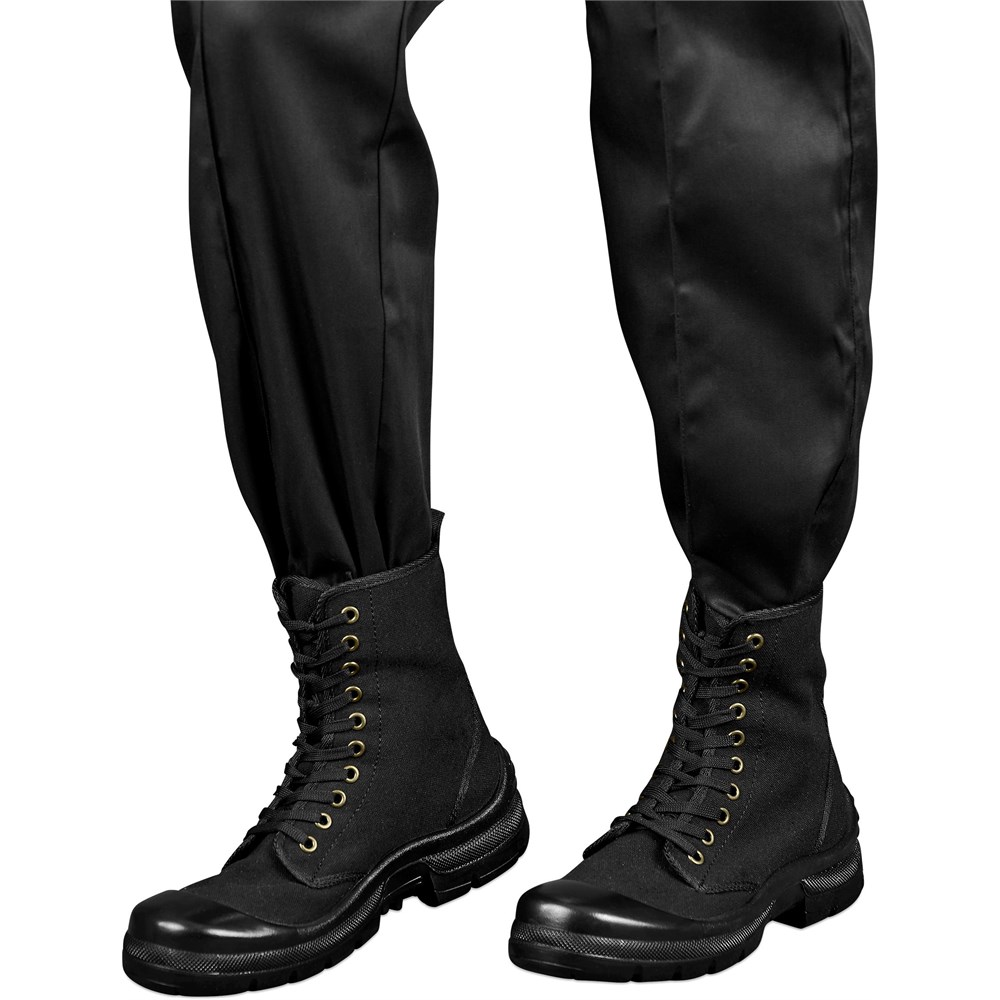
If you are browsing for garments, start in Apparel. It is worth noting that not every method is available on every item. Footwear such as the Force Combat Boot lists a range of branding methods, so check the product page or ask us what suits that item.

FAQs
Can I mix methods on one garment?
Often, yes, but it depends on the garment and the design. A common pairing is an embroidered chest logo with a printed or transferred back design. Tell us what you have in mind and we will advise whether it works.
Will my logo stitch well?
If it has solid shapes and readable text at a reasonable size, usually yes. Tiny text, thin outlines and gradients are the usual trouble spots. Send your vector logo and we will tell you whether to simplify it or use digital transfer instead.
Which lasts longest?
Embroidery is known for being very hard-wearing, and screen printing is durable too. Durability also depends on the fabric, washing and care. We would rather not give you a ranking without knowing your garment and use.
Which is best for small orders?
It depends on the logo. A simple logo can be stitched in small quantities. A colourful or detailed logo in a small run often suits digital transfer, because there is no screen per colour. For quantities, use the branding calculator.
What file do I send?
Vector artwork (AI, EPS or vector PDF), plus Pantone references where colour matching matters. Details are in our artwork guidelines, and the FAQ covers other common questions.
Next steps
If you are not sure yet, upload your logo to the free logo mockup generator and see how it looks on a shirt or cap. Then price your shortlist with the branding calculator and check your dates with the order-by deadline planner.
If you have a large uniform order, a mixed-method job or a custom garment, send us the details and we will quote it in writing. Request a quote or start a custom order and our team will help you choose the method that fits.
Products in this article
Shop apparel
Price any product with branding in the calculator, see your logo on it, or send us your brief for a quote.


